Privacy-Conscious Analytics for Member and Regulatory Documents
Organizations often want better evidence that important documents are being used. They may also handle member, professional, or stakeholder relationships that require care.
Those goals are compatible when measurement starts with purpose, uses the least intrusive setup that can answer the question, and communicates honestly about what the data means.
This article provides a product-design and operational framework, not legal advice. Privacy and regulatory requirements vary by jurisdiction and use case.
Define the decision before collecting data
Begin with the decision the organization wants to make.
Examples include:
- Should an important policy section move earlier in the next issue?
- Are members returning to a technical reference after launch week?
- Is the annual report reaching the intended audience?
- Which topics should receive more space in the next publication?
- Does a redesigned contents page improve navigation?
If aggregate data can answer the question, individual identity may not be necessary.
Choose the appropriate measurement level
Aggregate publication measurement
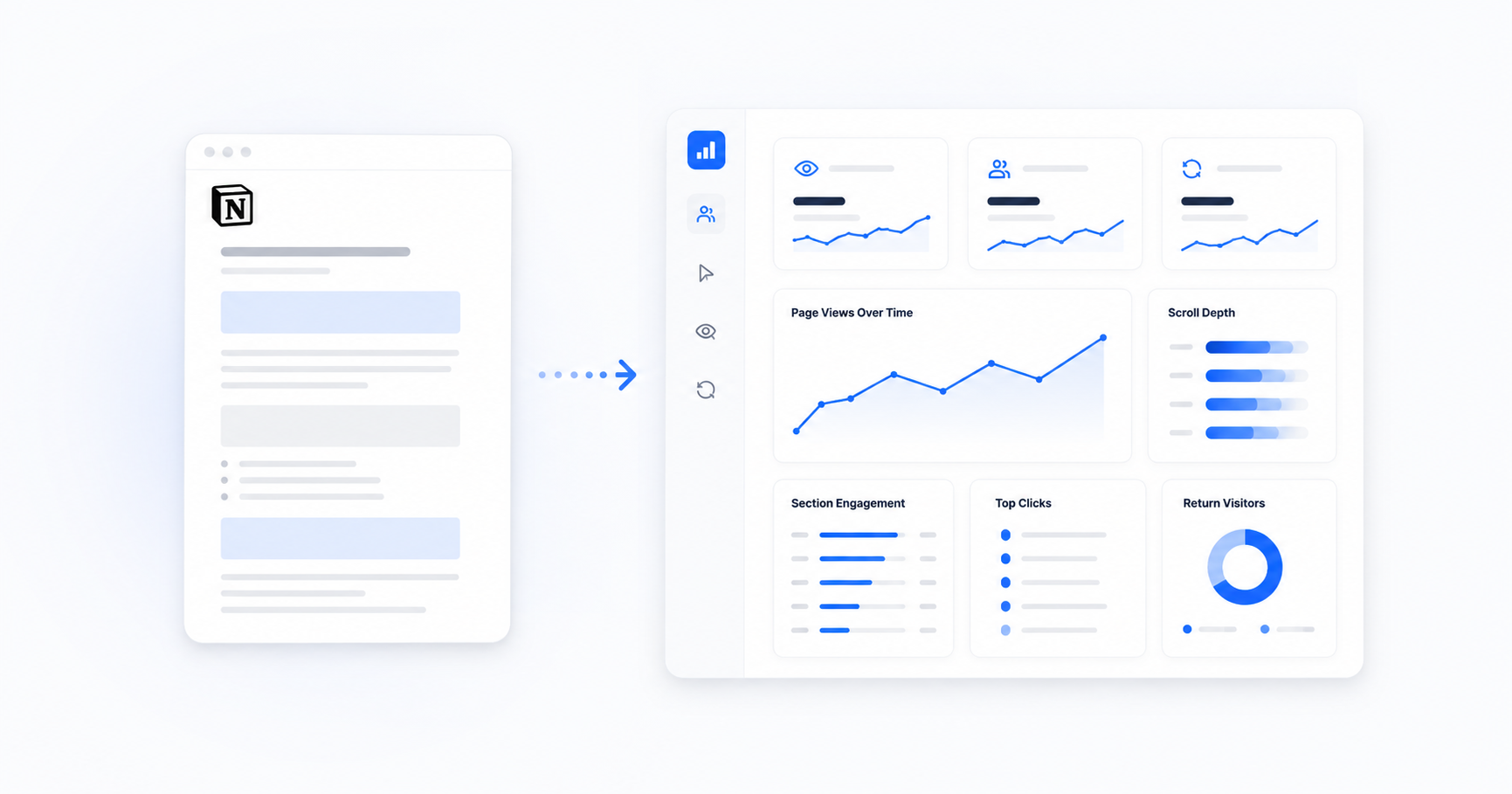
Use aggregate sessions, page reach, engaged time, drop-off, and topic attention when the goal is editorial improvement across an audience.
This is often the most proportionate starting point for a member magazine or public report. It can reveal patterns without requiring the team to review individual behavior.
Recipient-specific measurement
A recipient-specific link can be useful when a document is sent to a defined stakeholder and follow-up is expected, such as a board package, sponsor proposal, or consultation draft.
Use it when the operational need is clear. Limit access to the data and avoid making claims about intent based on a single behavior.
Identity-gated access
An identity gate may be appropriate when access itself needs to be controlled or when the organization must connect activity with a known recipient. It adds friction, so the benefit should justify that friction.
Tracklytics explains how link and gate choices affect identification in its viewer identification documentation.
Explain what is measured
A clear notice should use ordinary language. Describe the categories of information being collected, why they are useful, and where readers can learn more.
Avoid language that implies eye-tracking, thought detection, or certainty about comprehension. Interaction heatmaps use browser and visibility signals. They are not camera-based eye-tracking. The heatmap methodology explains the distinction.
Minimize the data
Collect only what supports the defined purpose. A practical review should ask:
- Do we need individual identity, or will aggregate patterns answer the question?
- Do we need raw interaction events after an aggregate has been produced?
- Who needs access to individual-level information?
- How long should detailed data be retained?
- Can the report use grouped or anonymized results?
Data minimization is also a product-quality practice. Teams make faster decisions when reports contain only the evidence relevant to the question.
Interpret individual activity cautiously
A person can leave a document open while distracted. Someone may print a page, take notes offline, switch devices, or share a link. A second session can be the same reader returning or another person using the link, depending on the setup.
For this reason:
- Do not equate time with comprehension.
- Do not equate a return visit with agreement.
- Do not equate a new session with a new person.
- Do not treat pointer movement as gaze.
- Do not make consequential decisions from one engagement score.
Use individual activity as context for a relevant interaction, not as a hidden evaluation of a member.
Create an internal governance checklist
Before distributing a tracked publication, document:
- the purpose of measurement
- the selected access and identity method
- the reader notice
- the people allowed to view analytics
- the retention period
- the reporting level, such as aggregate, group, or individual
- the person responsible for questions or correction
Review the checklist when the audience, purpose, or technology changes.
Report aggregate findings by default
Most editorial teams need to know that a topic earned strong attention, not which specific member spent the most time on it.
A useful publication brief can show:
- total and unique readership according to the chosen definition
- median engaged time
- page and topic reach
- major drop-off points
- return readership
- changes across the distribution period
The association publication engagement framework explains how to define each measure. Tracklytics also provides a dedicated association document analytics workflow.
Keep trust in the workflow
Responsible analytics should improve communication for the reader as well as the publisher. Use the findings to make important material easier to reach, reduce unnecessary length, improve navigation, and provide better follow-up resources.
If the organization cannot explain how a metric benefits the communication goal, it is worth asking whether that metric needs to be collected at all.
Understand what happens after you share.
Measure readership, page attention, return visits, and engagement across the documents your organization publishes.
Try Tracklytics free →